The Provincial Patchwork That Confuses Players
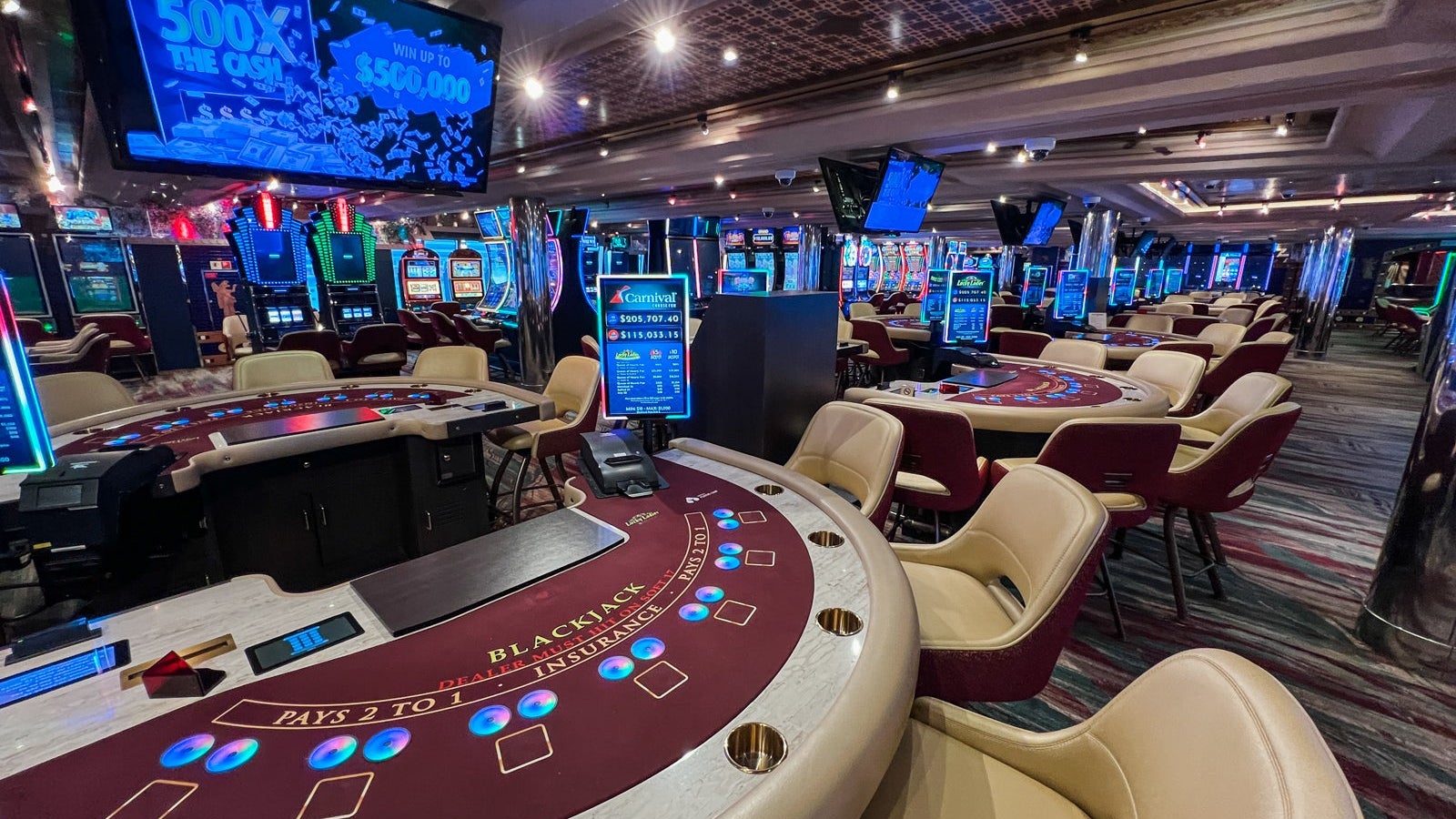
Walk into a casino in British Columbia, then fly to Ontario and visit another gaming establishment, and you’ll encounter two completely different loyalty ecosystems. This isn’t coincidence—it’s the result of Canada’s fragmented gambling regulation system that creates wildly inconsistent player rewards across provincial borders.
The disparity runs deeper than simple point accumulation rates. In Quebec, loyalty programs must comply with strict French-language requirements and consumer protection laws that don’t exist elsewhere. Meanwhile, Alberta’s privately-operated casinos offer rewards structures that would be impossible under the government-run systems in provinces like Saskatchewan.
According to 2026 data from the Canadian Gaming Association, loyalty program participation rates vary from 34% in Prince Edward Island to 78% in Ontario, largely due to these structural differences. Players who travel frequently report frustration with non-transferable points and incompatible tier systems that reset at provincial boundaries.
Government Monopolies vs Private Competition Models
The fundamental divide stems from how each province structures its gambling industry. Government-run monopolies like BC Lottery Corporation and Loto-Québec operate under different constraints than privately-licensed operators in provinces like Alberta and Saskatchewan.
“Government-operated casinos typically offer more conservative loyalty programs because they’re not competing for market share in the same way private operators are,” explains Dr. Sarah Mitchell, gambling policy researcher at the University of Toronto’s Institute for Policy Studies. “They’re focused on responsible gambling metrics and revenue generation rather than customer acquisition.”
This creates a stark contrast when examining reward structures. Private casinos in Alberta regularly offer 2-3x point multipliers, luxury vacation packages, and high-roller perks that government operators avoid. For online players exploring options like HellSpin casino, these variations become even more pronounced as different provinces regulate online loyalty programs with varying degrees of restriction.
The competitive pressure in privately-regulated markets has led to innovation in loyalty technology and personalization that government monopolies have been slower to adopt. Alberta’s casinos, for instance, use AI-driven recommendation engines that government operators in other provinces cannot implement due to privacy regulations.
The Quebec Exception: Language Laws Meet Loyalty Logic
Quebec’s loyalty programs face unique challenges that don’t exist anywhere else in North America. Bill 101’s language requirements mean all loyalty communications, terms and conditions, and promotional materials must be available in French—and the French version takes legal precedence over English translations.
This has created a cottage industry of specialized translation services for gambling operators, but it’s also led to more restrictive program structures. Quebec’s consumer protection laws require loyalty points to have cash equivalent values and prohibit certain types of tier-based benefits that are common elsewhere.
The result? Quebec players often receive more transparent, cash-like rewards, but fewer experiential perks. While an Ontario casino might offer a cooking class with a celebrity chef as a loyalty reward, Quebec regulations make such non-monetary benefits legally complex to implement.
Ontario’s Digital Revolution and Its Ripple Effects
Since Ontario opened its regulated online gambling market in April 2022, the province has become a testing ground for sophisticated digital loyalty programs that are influencing casino strategies nationwide. The integration between land-based and online play has created hybrid loyalty ecosystems that other provinces are scrambling to match.
Current data shows Ontario players accumulate loyalty points 40% faster than the national average, primarily due to the seamless integration between online and retail casino play. Players can earn points on slots during lunch breaks and redeem them for dinner at casino restaurants the same evening.
This digital-first approach has forced other provinces to reconsider their technology investments. British Columbia announced a $45 million loyalty platform upgrade in late 2025, specifically citing the need to compete with Ontario’s integrated systems.
The Maritime Provinces: Small Markets, Big Personality
Don’t overlook the Atlantic provinces when analyzing loyalty program variations. Despite smaller populations, Nova Scotia, New Brunswick, and Prince Edward Island have developed surprisingly sophisticated reward systems tailored to their unique demographics and tourism patterns.
Nova Scotia’s casinos, for example, offer loyalty benefits specifically designed for cruise ship passengers and seasonal residents. Their “Snowbird Rewards” program allows points earned during summer visits to be redeemed during winter trips to partner casinos in Florida and Arizona—a cross-border innovation that larger provinces haven’t matched.
Prince Edward Island takes a community-focused approach, with loyalty programs that include local business partnerships and charity donation options. Players can redeem points for lobster dinners at island restaurants or donate equivalent values to local food banks—reflecting the province’s tight-knit community culture.
Western Canada’s Resource Economy Influence
The oil and gas economy’s boom-and-bust cycles have shaped loyalty programs across Alberta, Saskatchewan, and parts of British Columbia in unexpected ways. During economic upswings, these programs become exceptionally generous to attract high-spending resource workers. During downturns, they shift focus to volume players and local residents.
Alberta’s casinos pioneered “shift worker” loyalty tiers that account for the irregular schedules common in resource industries. Players can maintain tier status with concentrated play during time off, rather than the consistent monthly activity required in other provinces.
This flexibility has created some of Canada’s most player-friendly loyalty programs, but it’s also led to volatility. A program that offers luxury ski packages during oil booms might pivot to grocery store gift cards during economic contractions.
Technology Gaps and Integration Challenges
Perhaps the most frustrating aspect of Canada’s loyalty program fragmentation is the technology divide. While some provinces have invested heavily in mobile apps, real-time point tracking, and personalized offers, others still rely on physical cards and manual point calculations.
According to industry analyst James Chen from Gaming Technology Weekly, “The technology gap between provinces is actually widening rather than narrowing. Ontario and Alberta are implementing blockchain-based loyalty tokens and AI personalization, while some smaller provinces are still using systems from the early 2000s.”
This creates a jarring experience for traveling players. Someone accustomed to receiving push notifications about personalized slot bonuses in Toronto might find themselves asking casino staff to manually check their point balance in smaller markets.
The Future of Cross-Provincial Loyalty Integration
Despite current fragmentation, there are signs that provinces are beginning to explore cooperation. The Canadian Gaming Summit 2025 featured multiple sessions on loyalty program standardization, and several provincial operators have begun pilot programs for point transfers between jurisdictions.
The most promising development is the proposed “Canadian Casino Passport” program, which would allow players to maintain a single loyalty account across participating provinces. While still in early planning stages, industry insiders suggest British Columbia and Ontario are most likely to participate in initial trials.
However, significant obstacles remain. Different privacy laws, taxation structures, and responsible gambling requirements make full integration complex. The timeline for meaningful standardization likely extends well into the next decade, meaning players will continue navigating this provincial patchwork for years to come.
For now, savvy players are learning to game the system by understanding each province’s unique advantages and planning their casino visits accordingly. It’s not the seamless experience anyone wants, but it’s the reality of Canada’s constitutional division of gambling powers—and it’s creating some unexpectedly lucrative opportunities for those willing to do their homework.